


Installing Electric Vehicle Chargers the Right Way
- Admin
- Nov 3, 2025
- 4 min read

As electric vehicles (EVs) become more popular, installing EV chargers at home or business premises is increasingly important. Proper installation ensures safety, efficiency, and convenience. This guide will walk you through everything you need to know about installing EV chargers the right way.
Understanding the Basics of Installing EV Chargers
Before starting the installation process, it’s essential to understand the types of EV chargers available and their requirements. There are three main levels of EV chargers:
Level 1 Chargers: Use a standard 230V household outlet. They are slow but require no special installation.
Level 2 Chargers: Require a dedicated 240V circuit and provide faster charging.
DC Fast Chargers: Mostly used in commercial settings, these require specialized equipment and professional installation.
Choosing the right charger depends on your vehicle, charging needs, and electrical capacity. For most home users, Level 2 chargers are the best balance of speed and cost.
Key Considerations Before Installation
Electrical Capacity: Check your home’s electrical panel to ensure it can handle the additional load.
Location: Choose a convenient and safe spot for the charger, ideally close to where you park your EV.
Permits and Regulations: Local regulations may require permits or inspections.
Professional Installation: Hiring a qualified electrician is highly recommended to ensure compliance and safety.

Step-by-Step Guide to Installing EV Chargers
Installing EV chargers involves several steps, from planning to final testing. Here’s a practical breakdown:
Assess Your Electrical System
Have a professional electrician evaluate your current electrical panel and wiring. They will determine if upgrades are necessary.
Select the Charger
Choose a charger that fits your vehicle’s specifications and your charging speed needs.
Obtain Necessary Permits
Contact your local council or authority to understand the permit requirements.
Prepare the Installation Site
Ensure the location is accessible, weather-protected, and near your electrical panel if possible.
Install Dedicated Circuit
The electrician will install a dedicated circuit breaker and wiring for the charger.
Mount the Charger
Securely mount the charger on the wall or a pedestal, following manufacturer instructions.
Connect and Test
Connect the charger to the electrical system and test it to ensure proper operation.
Following these steps carefully will help avoid common pitfalls and ensure your charger works efficiently.
Choosing the Right Equipment and Accessories
Selecting the right equipment is crucial for a successful installation. Here are some tips:
Charger Compatibility: Ensure the charger is compatible with your EV model.
Cable Length: Choose a cable length that comfortably reaches your vehicle’s charging port.
Smart Features: Some chargers offer Wi-Fi connectivity, scheduling, and energy monitoring.
Weatherproofing: For outdoor installations, select chargers with appropriate IP ratings for protection against rain and dust.
Safety Features: Look for chargers with built-in safety mechanisms like ground fault protection.
Using quality accessories and equipment will enhance the longevity and safety of your EV charging setup.
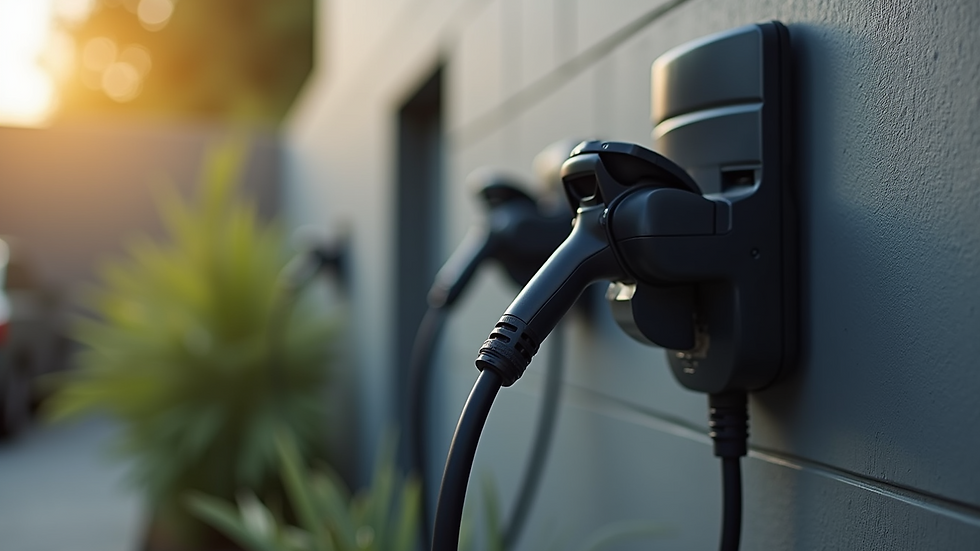
Why Professional Installation Matters
While some EV chargers can be plugged into existing outlets, professional installation is often necessary for Level 2 chargers and above. Here’s why:
Safety: Incorrect installation can lead to electrical hazards, including fire risks.
Compliance: Professionals ensure the installation meets local electrical codes and standards.
Efficiency: Proper installation maximizes charging speed and reduces energy loss.
Warranty Protection: Many manufacturers require professional installation to maintain warranty coverage.
Future Proofing: Electricians can advise on upgrades to support future EVs or additional chargers.
For reliable and safe electric car charger installation, it’s best to hire certified electricians who understand the specific requirements of EV charging systems. You can find trusted professionals at Electrical and Security Experts.
Maintenance Tips for Your EV Charger
Once your EV charger is installed, regular maintenance will keep it running smoothly:
Inspect Cables and Connectors: Check for wear, cracks, or damage.
Keep the Charger Clean: Wipe down the unit to prevent dust and dirt buildup.
Check for Software Updates: If your charger has smart features, keep the firmware updated.
Monitor Charging Performance: Look out for any irregularities in charging times or errors.
Schedule Professional Inspections: Have an electrician inspect the system annually.
Proper maintenance extends the life of your charger and ensures safe operation.
Planning for the Future of EV Charging
As EV technology evolves, so will charging infrastructure. Consider these future-proofing tips:
Install a Higher Capacity Panel: This allows for additional chargers or faster charging in the future.
Smart Charging Solutions: Invest in chargers that can integrate with home energy management systems.
Renewable Energy Integration: Plan for solar panels or battery storage to power your EV sustainably.
Public Charging Access: Stay informed about local public charging networks to complement your home charger.
By planning ahead, you can enjoy the benefits of EV ownership without frequent costly upgrades.
Installing EV chargers the right way ensures safety, convenience, and efficiency. Whether you’re upgrading your home or business, following these guidelines will help you make the best decisions. For expert advice and professional electric car charger installation, consider consulting trusted electrical specialists to get the job done correctly the first time.


Comments